Kids & Teen Skincare + Haircare FAQ
Everything you need to know about Kids Skincare
Q: What basic skincare products do kids need?
A: Most kids only need three essentials: a gentle cleanser, a lightweight moisturizer, and daily sunscreen. Keep it simple and safe.
Recommendation:
-
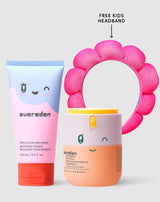
Kids Multi-Vitamin Face Wash: gentle daily cleanse
-
Kids Multi-Vitamin Face Cream: lightweight moisture
-
Premium Mineral Sunscreen SPF 30: safe kids mineral sunscreen for outdoor days
Why: Simple 3-step routine = clean, hydrate, protect.
Q: At what age should kids start a skincare routine?
A: Healthy habits form early. Teaching kids to use a clean and simple skincare routine instills healthy habits from an early age and helps children develop a sense of responsibility and routine around personal care. This daily ritual also provides an opportunity to educate kids on skin health and why it's important to take care of your skin (the skin is the largest organ of our body!)
Children should use at least SPF daily starting at 6 months. Using SPF is crucial for protecting kids' skin from harmful UV rays, preventing sunburns, and reducing the risk of skin cancer in the future. UVA and UVB rays do not discriminate against adult or children’s skin. In fact, because children’s skin is thinner than adult skin, using SPF and reinforcing this habit (all year round, not just in the summer) is an important life habit and self care lesson to teach children from a young age.
Kids can start washing their face and applying moisturizer at any age 3 and above. This becomes doubly important in pre-teen years when kids’ skin start changing due to hormones and puberty.
Recommendation:
-
Easy starter routine for kids ages 6+: Kids Face Wash + Kids Face Cream with SPF
-
Daily sun protection: Kids Protective Face Cream SPF 20
Why: Establish gentle habits; avoid strong actives.
Q: Which skincare ingredients should kids avoid?
A: Avoid retinol, vitamin C serums, strong acids (AHAs/BHAs), and anti-aging products. These are too harsh for young skin.
Kids should also avoid the below categories of ingredients that are known to be harmful to health:
-
Parabens – parabens are used as preservatives in a lot of skincare products. Certain parabens, though not all, have been found to be carcinogenic, and potentially cause endocrine disruption, development and reproductive toxicity. (Evereden uses gentler preservatives instead).
-
Phthalates – Phthalates are chemical preservatives used in personal care products and are banned in toys and some children’s products.
-
Nano sunscreen ingredients – nano chemical blockers have been shown to seep into the bloodstream and is something to specifically avoid for children, who have thinner skin than adults.
-
In facial cleansers and haircare, look out for sulfates, which are commonly found in shampoos, soaps, cleansers. They are basically cleansers, but they’re known as eye and skin irritants, and can be contaminated with the allergen 1-4 dioxane. Evereden uses clean, gentle cleansing ingredients such as coconut-based surfactants (for example Coco Glucoside) and Glycolipids.
Recommendation:
-
Stick to Kid-safe basics: Kids Face Wash + Kids Face Cream (no retinol/AHAs/BHAs)
-
Use non-nano mineral sunscreen (zinc-based) for sensitive skin
Why: Barrier-first routines are safest for young skin
Q: How do I care for kids with sensitive skin or eczema?
A: Use fragrance-free, gentle moisturizers and cleansers. Avoid harsh soaps and always follow up with hydration. For flare-ups, consult a pediatric dermatologist.
Recommendation:
-
Kids Face Wash (gentle, fragrance-conscious) + Kids Face Cream (barrier support)
-
Intensive Eczema Balm (targeted soothing on dry patches)
Why: Fragrance-light routine + barrier care helps soothe.
Q: What’s the best skincare routine for a 13-year-old?
A: A simple routine formulated for changing, blemish-prone teen skin works best: gentle cleanser, lightweight oil-free moisturizer, and daily sunscreen. Add acne treatments if needed.
Recommendation:
-
Simple teen routine (cleanse + gel-cream + SPF): Steer Clear Balancing Cleanser + Let’s Bounce Gel-Cream Moisturizer + Mineral sunscreen (lightweight, non-comedogenic)
Why: Simple, daily, breakout-conscious hydration.
Q: How can teens control oily skin?
A: Use a gentle cleanser, oil-free moisturizer, and blotting papers during the day. Avoid heavy creams and pore-clogging ingredients.
Recommendation:
-
Shine-control routine for teens: Steer Clear Balancing Cleanser (AM/PM) + Let’s Bounce Gel-Cream (lightweight)
-
Optional midday: blotting + rinse
Why: Balance oil without drying; gel textures help.
Everything you need to know about kids haircare
Q: How often should kids wash their hair?
A: Most kids need to wash 1–3 times a week, depending on their hair type. Daily washing may be needed if they have oily hair or play sports.
Recommendation:
-
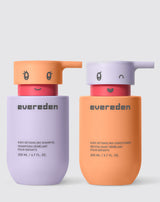
Kids Detangling Shampoo (2–3×/week; daily for sports/oily)
-
Kids Detangling Conditioner (as needed for dryness)
Why: Gentle cleanse without stripping.
Q: What’s the best way to detangle kids’ hair?
A: Use a wide-tooth comb and a detangling spray on damp hair. Start at the ends and work upward to reduce breakage.
Recommendation:
-
Kids Detangling Spray + wide-tooth comb on damp hair
-
For extra slip: Detangling Conditioner
Why: Reduces tugging/breakage; faster mornings.
Q: Do toddlers need conditioner?
A: Yes — if their hair is dry or tangles easily, use a lightweight, kid-friendly conditioner.
Recommendation:
-
Toddler-friendly detangling conditioner (lightweight, rinse-out)
-
For daily manageability: light mist of Detangling Spray
Why: Adds slip; prevents knots in fine hair.
Q: How do I care for curly or textured kids’ hair?
A: Use curl-friendly shampoos, moisturizing conditioners, and leave-in sprays. Protective hairstyles can help reduce breakage.
Recommendation:
-
Curl-care trio for kids: Detangling Shampoo to gentle cleanse + Detangling Conditioner to deeply moisturize + Detangling Spray for leave-in slip + frizz control
Why: Hydrate + protect curl pattern; minimize breakage.
Q: How can I prevent lice naturally?
A: Encourage kids not to share hats or brushes. Some parents use gentle sprays with tea tree or rosemary oils as a natural deterrent.
Recommendation:
-
School-day detangling routine + daily Detangling Spray before school/sports (helps with comb-through and minimizing shared-brush tangles).
Why: Consistent combing and tidy styles are practical prevention habits.